
Brian Abell
Does Exercise Increase Your Body's GLP-1 Levels? What the Research Says
Exercise
.webp)
Yes, and the research is pretty solid on this. Your body already produces GLP-1 naturally in the gut after eating. Exercise gives that same system another boost — through more than one pathway — and combining exercise with GLP-1 medication consistently outperforms either one alone.
This is one of the more empowering pieces of research to come out since these medications went mainstream. You're not dependent on a drug to do something your body doesn't know how to do. You're amplifying a system that already exists. And exercise is one of the most effective ways to do that.
GLP-1 is produced in the gut after you eat. It signals insulin release, slows digestion, and helps regulate blood sugar. Exercise triggers a separate release of that same hormone, and the mechanism goes deeper than just "movement is good."
One pathway involves your gut microbiota. Exercise increases the abundance of beneficial bacteria like Bifidobacterium and Lactococcus, which produce short-chain fatty acids. Those short-chain fatty acids bind to receptors on gut cells and directly stimulate GLP-1 secretion. In research where antibiotics were used to block this gut bacteria response, exercise-induced GLP-1 secretion was negated. That's a strong signal that the microbiome connection is real, though most of this work is still coming out of animal models, so it's promising rather than fully settled in humans.
Both aerobic and resistance training drive GLP-1 increases. You don't have to choose one over the other. A mix of both is where the most well-rounded result comes from, which is true regardless of whether medication is part of your picture.
It means you can stack the benefits. The medication amplifies GLP-1 activity your body already has. Exercise adds to that same pool from a separate direction. The two aren't competing. They compound.
A randomized controlled trial published in Cardiovascular Diabetology found that combining exercise with a GLP-1 receptor agonist reduced metabolic syndrome severity, abdominal obesity, and inflammation more than either the medication alone or exercise alone. A 2025 meta-analysis of 33 RCTs involving over 12,000 participants found the same pattern: adding GLP-1 medication to lifestyle modification, including exercise, significantly improved body weight, blood pressure, glycemic control, and lipid profiles beyond lifestyle changes alone. The combination is where the results hold.
Very intense exercise, specifically around 85% of max heart rate, has been shown to temporarily dip fasting GLP-1 levels. The post-meal GLP-1 response still improves, so the overall benefit remains. But it's worth knowing that the relationship between exercise intensity and GLP-1 isn't purely linear. Moderate, consistent effort across both cardio and resistance training is the most reliable approach, not max-output sessions.
For most people, the goal is producing more GLP-1. For someone with type 2 diabetes, the issue is often that the body has become less responsive to the GLP-1 it's already making. Insulin resistance develops, and the signals stop landing. Exercise helps reverse that by improving insulin sensitivity over time, meaning the body starts responding to GLP-1 again rather than ignoring it. The medication and the exercise are working on the same problem from two different angles.
The medication does the metabolic work. What it doesn't do is build the infrastructure that keeps weight off after you reduce the dose or come off it entirely. Muscle mass, bone density, cardiovascular fitness: those come from exercise, specifically resistance training. Without it, weight loss pulls from everywhere, including muscle, and muscle is what drives resting metabolism.
Resistance training also directly counters one of the more significant risks associated with GLP-1 medications. Recent reporting cited in the video flagged higher rates of bone loss and increased fracture risk in people using these medications long-term. Strength training does the opposite. It increases bone density and preserves the muscle tissue that keeps your body structurally sound years from now.
Your body isn't broken. It already makes GLP-1. Exercise is one of the most effective ways to increase it, and the research on combining exercise with medication is consistent: you get better results and you keep them. The women who come off these medications and maintain their progress are almost always the ones who built the exercise habit while they were on it. For a practical guide to doing exactly that, see how to exercise on GLP-1 medications.
Sources: Exercise-induced GLP-1 secretion via gut microbiota and short-chain fatty acid pathways: PMC / NCBI (2022). Exercise + GLP-1 receptor agonist combination vs. either alone for metabolic syndrome, abdominal obesity, and inflammation: Cardiovascular Diabetology RCT (2023). GLP-1 medication combined with lifestyle modification across 33 RCTs, 12,028 participants: The Lancet eClinicalMedicine meta-analysis (2025). Physical fitness outcomes: exercise + GLP-1 RA alone or combined after weight loss: Sports Medicine RCT secondary analysis (2026). Bone loss and fracture risk associated with GLP-1 medications: as cited in the video.
Answer 5 quick questions and get a personalized plan based on your current routine and medication schedule.
Question 1 of 5
Are you currently taking a GLP-1 medication?
Question 2 of 5
How often are you currently exercising?
Question 3 of 5
What does your workout routine mostly include?
Question 4 of 5
What is your biggest concern right now?
Question 5 of 5
When do you typically schedule your GLP-1 injection?
Your personalized plan is ready. Enter your name and email to see it now.
Please enter a valid email address.
No spam. Unsubscribe anytime.
The medication is doing its job on appetite and blood sugar. But without regular strength training, a significant portion of the weight you lose will be muscle, not just fat. That makes it harder to keep the weight off long-term and can leave you feeling weaker and more fatigued.
Where to focus first:
Want a personalized plan built around your medication schedule and current fitness level? We work with women on GLP-1s every day.
Book a Free Discovery CallYou are already moving, which puts you ahead of most people starting a GLP-1 protocol. The opportunity now is in the details: injection timing, exercise intensity relative to your dose schedule, and making sure your workout type matches your goal. Small adjustments here compound significantly over time.
Where to optimize:
Want a plan that accounts for your specific schedule, medication timing, and goals? That is exactly what we build for our clients.
Book a Free Discovery CallYou are already doing the most important things: exercising consistently and including strength work. At this stage, the gains come from progressive overload, precision nutrition timing, and making sure your recovery is keeping pace with your output. This is where a coach makes the biggest difference.
What to focus on now:
You are in a great position. A coach can help you make sure every workout and every meal is moving you forward. Let us talk.
Book a Free Discovery Call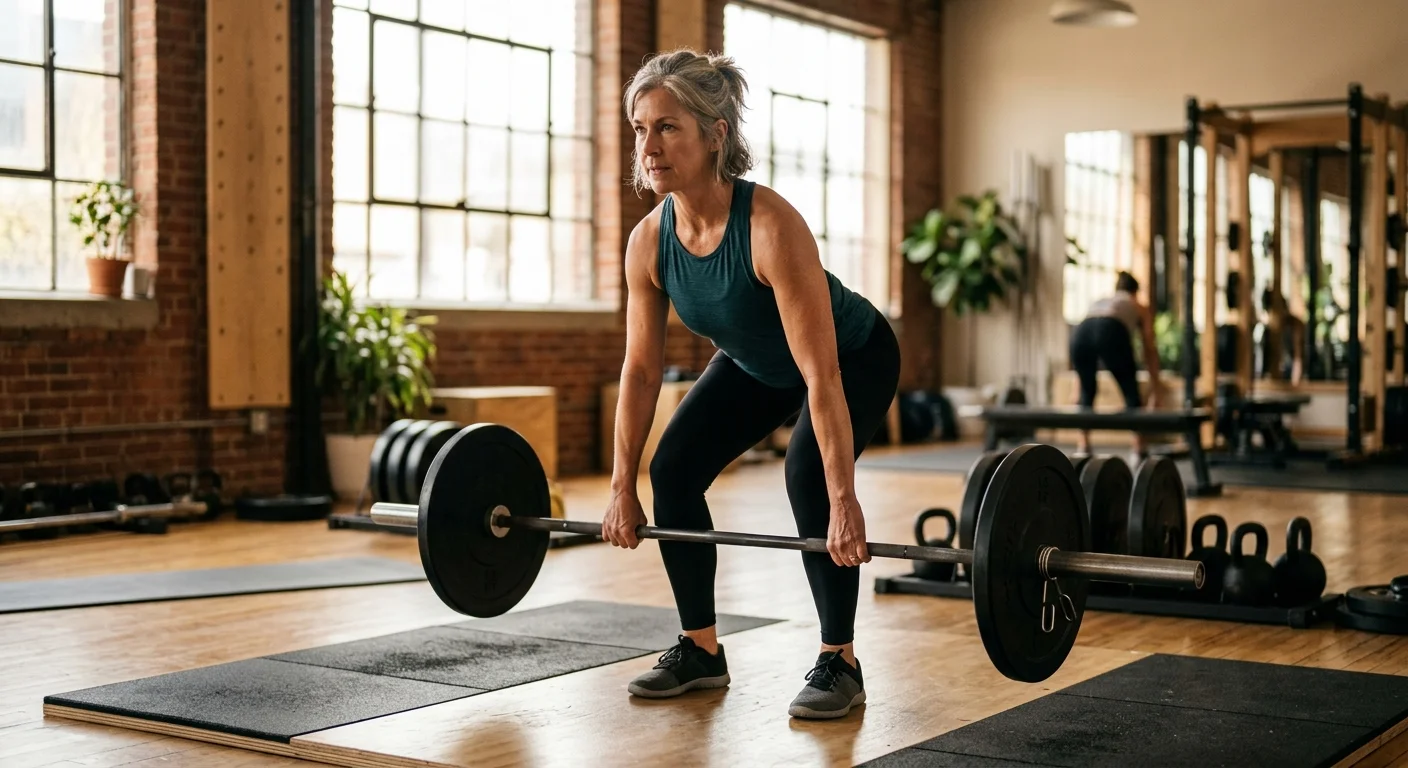


.webp)


